Why This Show

Meet The People

Connect

Why This Show

Meet The People

Connect

Why This Show

Meet The People

Connect

Welcome to the Ante Room

Welcome to
the Ante Room

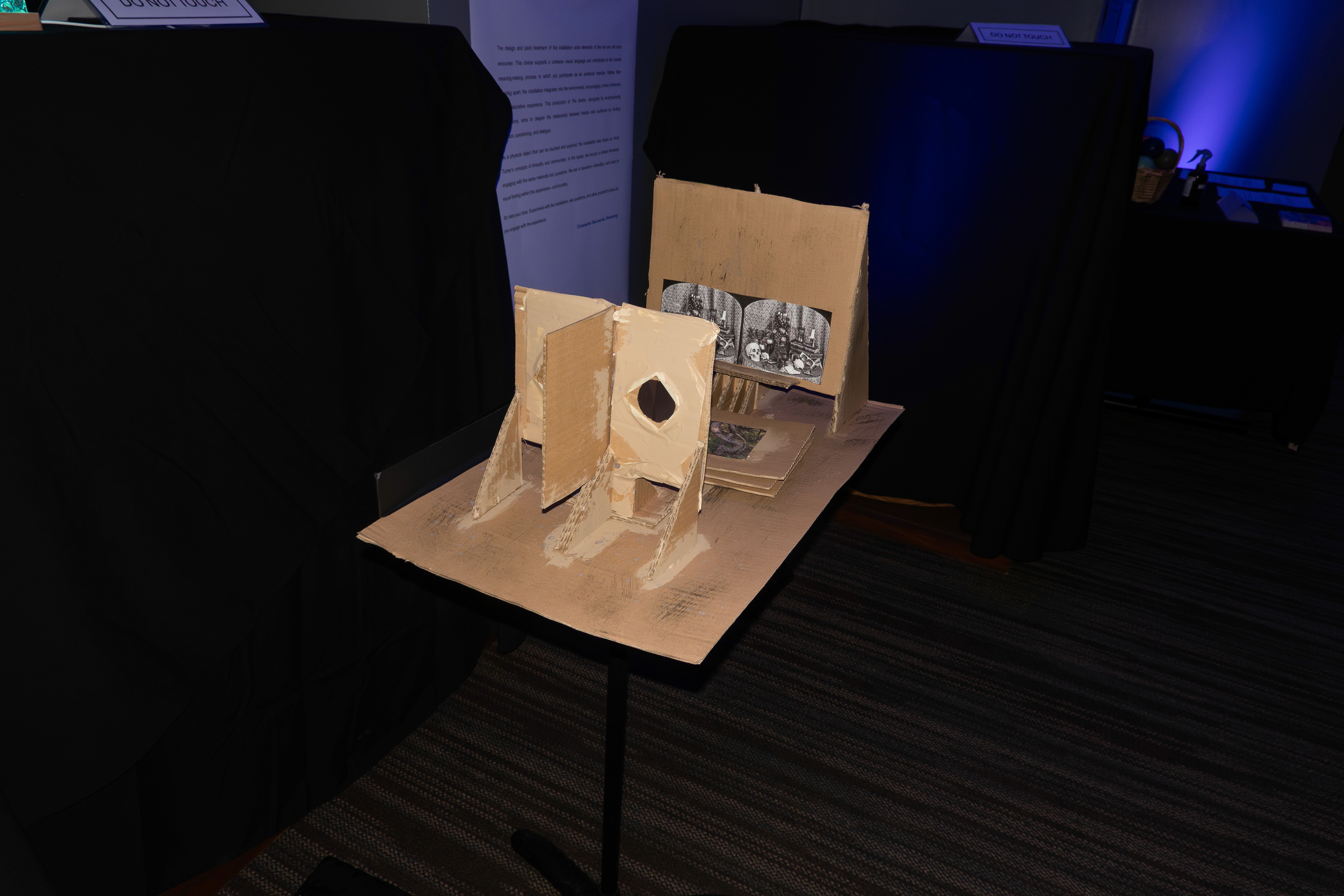
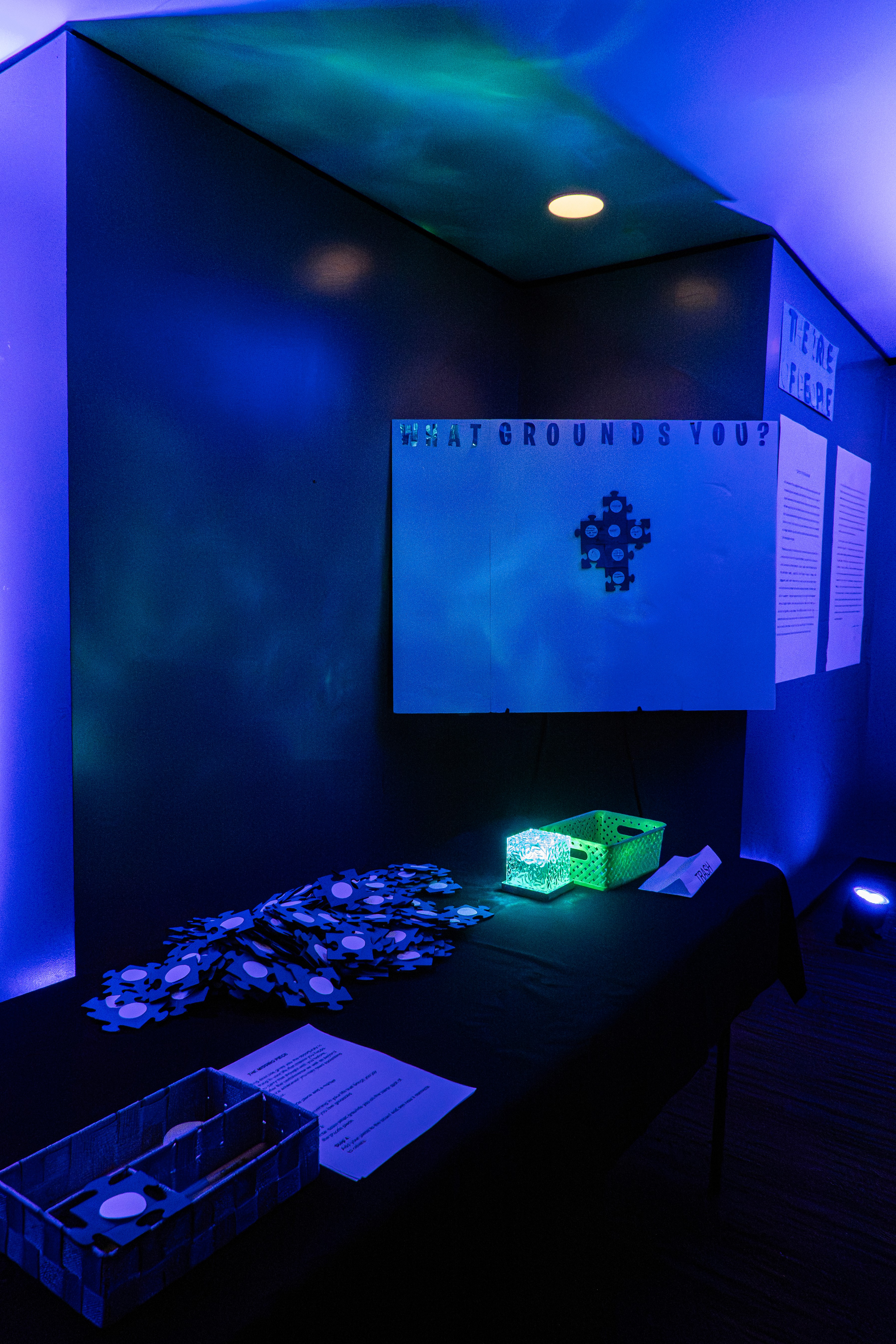
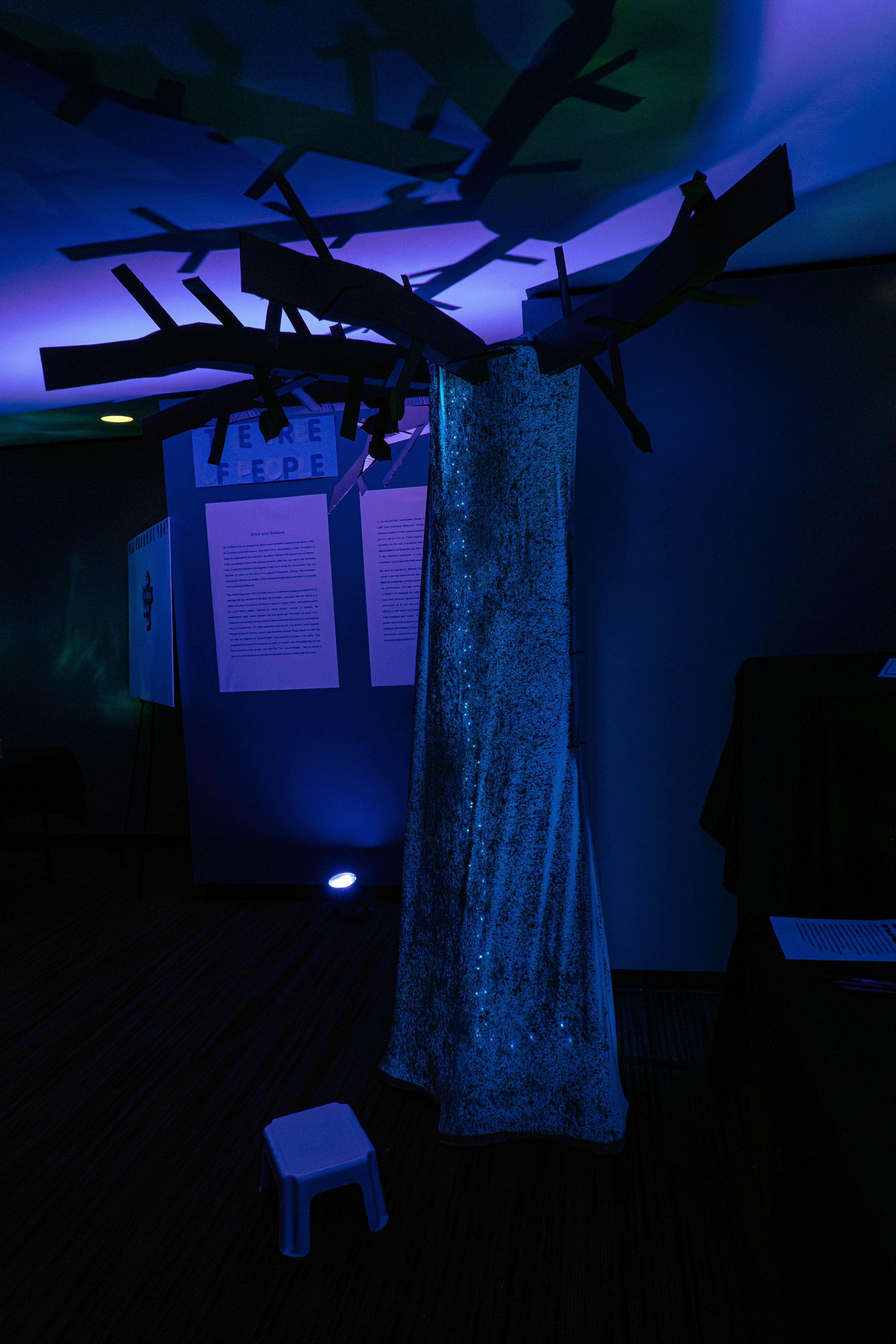
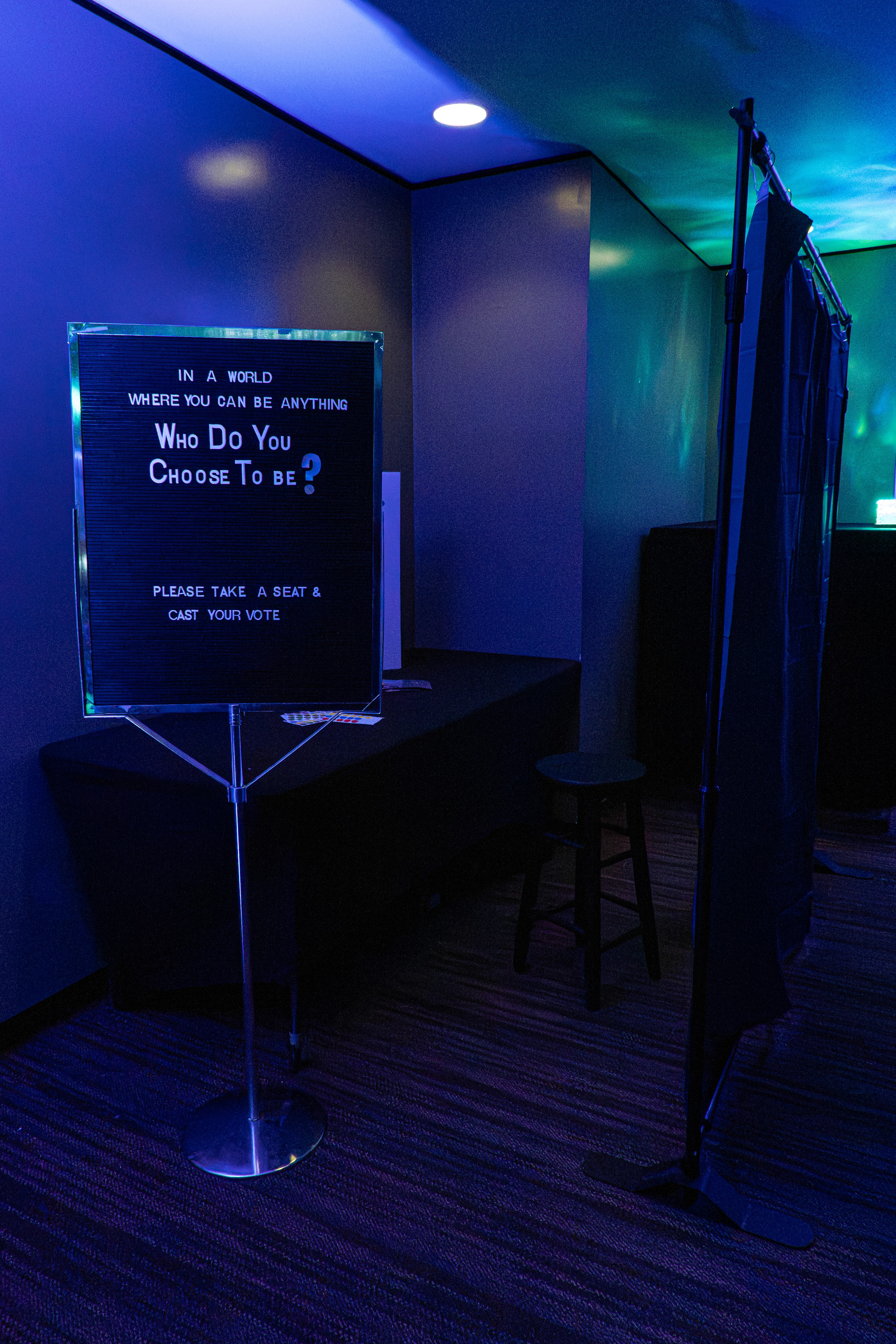
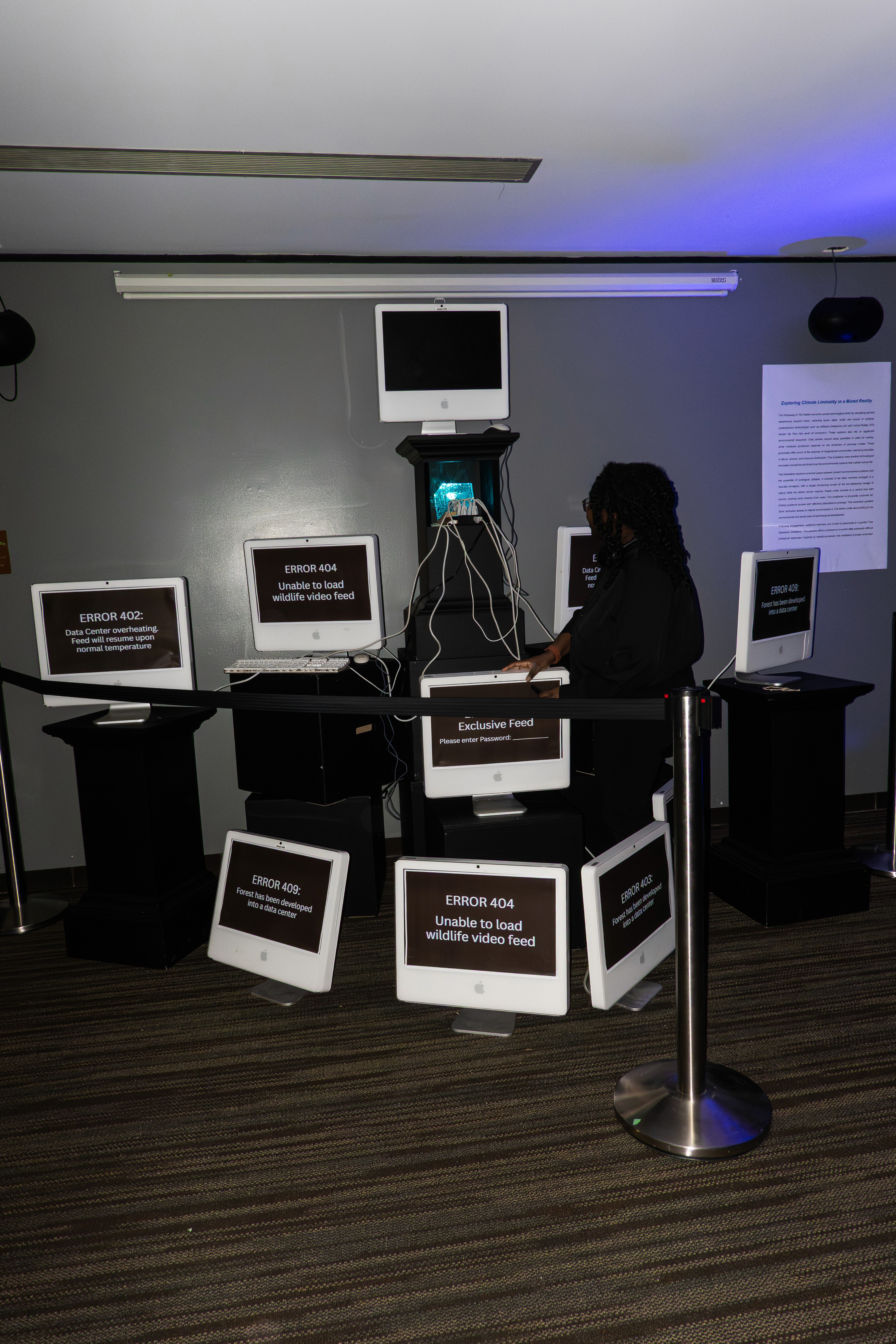
"Liminal entities are neither here nor there; they are betwixt and between the positions assigned and arrayed by law, custom, convention, and ceremonial."  — Victor Turner      The Ritual Process: Structure and Anti-Structure      You are standing in the Ante Room.  An ante room is, by definition, an in-between space, a room before another room, a place of waiting, preparation, and transition. Inspired by this definition, the dramaturgy team for the University of Waterloo Theatre and Performance production of The Nether developed this space as a threshold between worlds.     You have arrived here from your everyday life—your commute, your conversations, the rhythm of your day. In a few moments, you will enter the theatre and step into the fictional world of the production.    Here, you are not yet inside the world of The Nether.  But you are no longer entirely outside it either.     Anthropologist Victor Turner described such moments as liminal states of being “betwixt and between.” In these spaces, the structures that organize everyday life briefly soften. Identities loosen. Hierarchies blur. What emerges instead is the possibility of communitas, a shared human awareness that forms among those passing through the threshold together.     The world imagined in The Nether is itself built upon such thresholds. Jennifer Haley’s play explores a future in which people move seamlessly between physical and virtual realities, where identities can be reshaped and desires enacted beyond the limits of everyday life. In this state, the boundaries between what is real, imagined, permissible, and forbidden begin to blur. The Ante Room invites you into a reflection of that crossing.    Actor and teacher Michael Chekhov described the moment before entering a fictional world as crossing the threshold, an act of imaginative readiness. It is not a step taken solely by performers. Audiences must cross it too. For the actors who created this production, the rehearsal hall was a threshold. For you, the audience, this space now becomes one, and the Ante Room exists to make that crossing visible.    Dramaturgy is the theatrical practice of researching, contextualizing, and shaping how the ideas and questions surrounding a production meet its audience. Rather than explaining the play, dramaturgy often opens a field of inquiry, inviting audiences to arrive with curiosity and reflection. Within this space are six installations, each developed by dramaturgy students as part of the conceptual design of this engagement environment. These works do not summarize The Nether. Instead, they offer fragments, questions, images, and encounters that echo the play’s central concerns: identity, imagination, surveillance, ethics, and the shifting boundaries between the digital and physical worlds.     As you move through this space, you join others who are also standing at this threshold. For a brief moment, you all share the experience of being between worlds—no longer fully in the day you arrived from, but not yet inside the story about to unfold. We invite and encourage you to: Take your time.  Pause.  Observe.  Notice what questions begin to surface. The world of The Nether begins just beyond this threshold.  As Iris says, “it’s okay to forget who you think you are. And discover who you might be.”  Welcome to the Ante Room. 

We acknowledge that this theatre and the university that holds it stand on the traditional territories of the Attawandaron (also known as the Neutral), Anishinaabeg, and Haudenosaunee peoples. Our main campus is in Block 2 of the Haldimand Tract, land promised in 1784 by the British Crown to the Haudenosaunee of the Grand River in recognition of their alliance during the American Revolution.


This territory, which includes six miles on either side of the Grand River, is governed by the Dish with One Spoon Wampum, an agreement that teaches that the land is a shared dish from which we all eat, and that we carry collective responsibilities: to take only what we need, to ensure there is enough for others, and to keep the dish clean for those who come after us. It is an agreement rooted in care, reciprocity, and stewardship.


Gathering here in this theatre, on this land, within this agreement, means recognizing that welcome comes with responsibility. It asks us to consider how we move through shared spaces, how we care for one another, and how the systems we build shape access, safety, and belonging as equal partners.

We acknowledge that this theatre and the university that holds it stand on the traditional territories of the Attawandaron (also known as the Neutral), Anishinaabeg, and Haudenosaunee peoples. Our main campus is in Block 2 of the Haldimand Tract, land promised in 1784 by the British Crown to the Haudenosaunee of the Grand River in recognition of their alliance during the American Revolution.


This territory, which includes six miles on either side of the Grand River, is governed by the Dish with One Spoon Wampum, an agreement that teaches that the land is a shared dish from which we all eat, and that we carry collective responsibilities: to take only what we need, to ensure there is enough for others, and to keep the dish clean for those who come after us. It is an agreement rooted in care, reciprocity, and stewardship.


Gathering here in this theatre, on this land, within this agreement, means recognizing that welcome comes with responsibility. It asks us to consider how we move through shared spaces, how we care for one another, and how the systems we build shape access, safety, and belonging as equal partners.