MEET THE DIRECTOR
MEET THE DIRECTOR
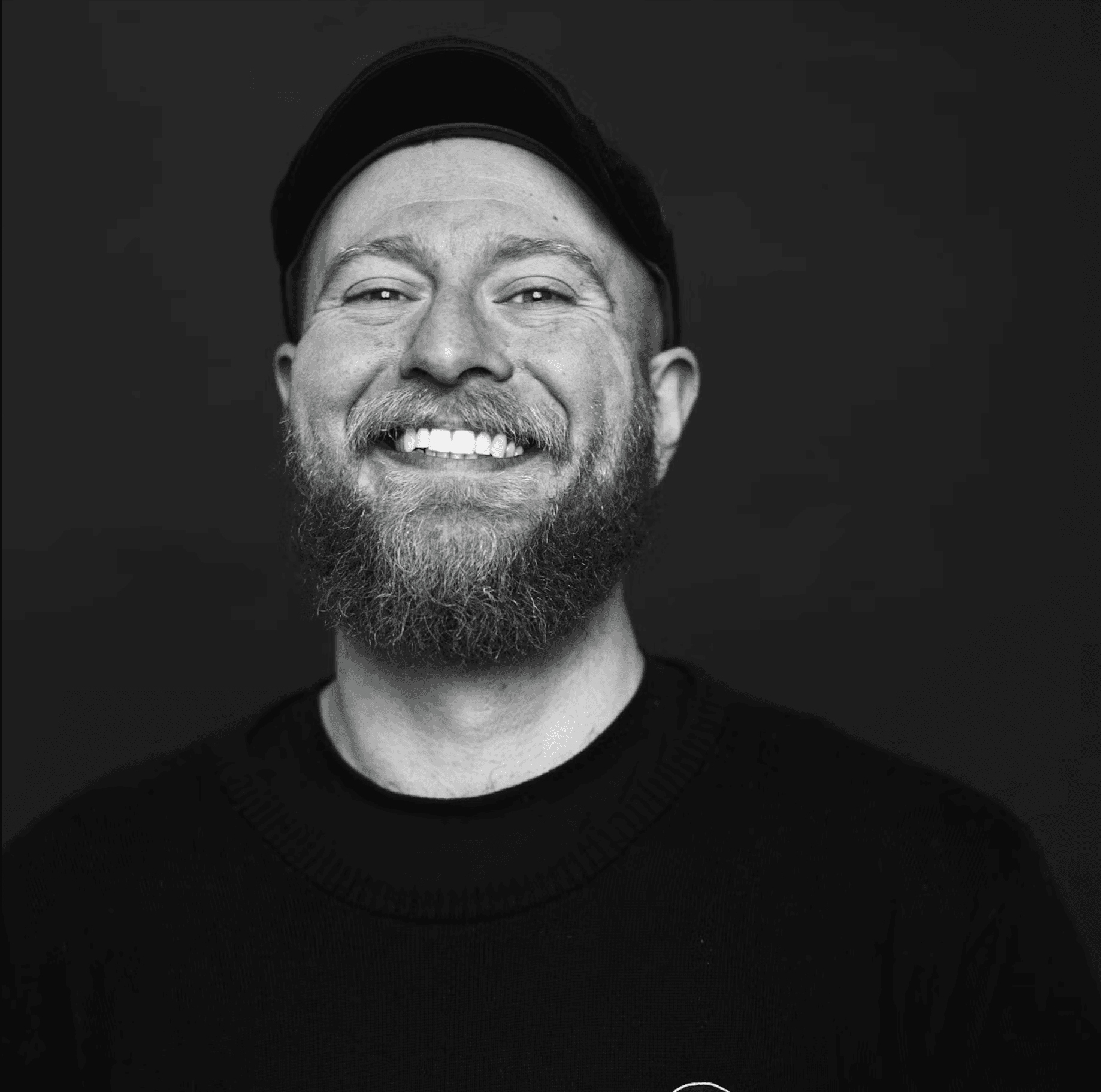
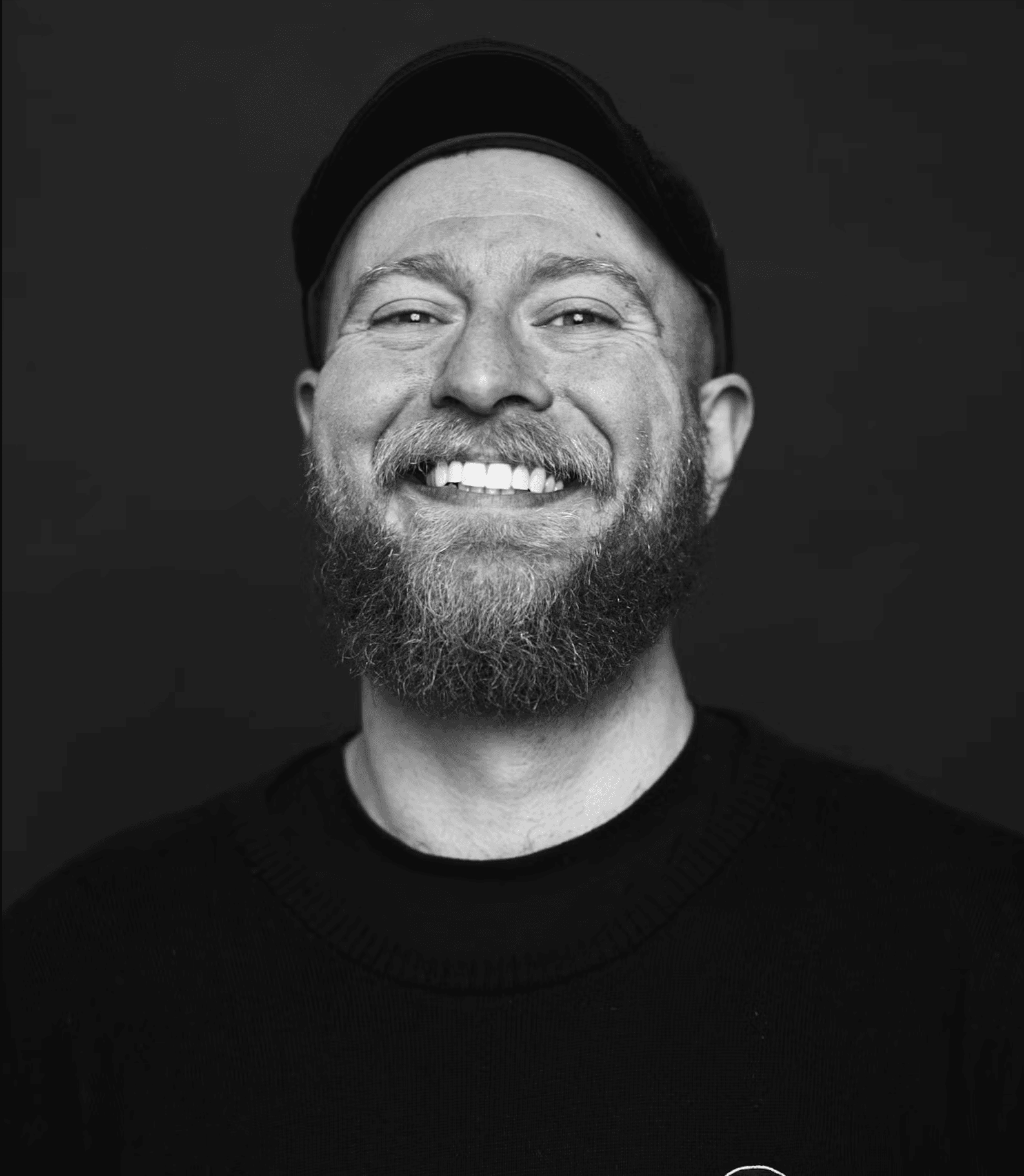
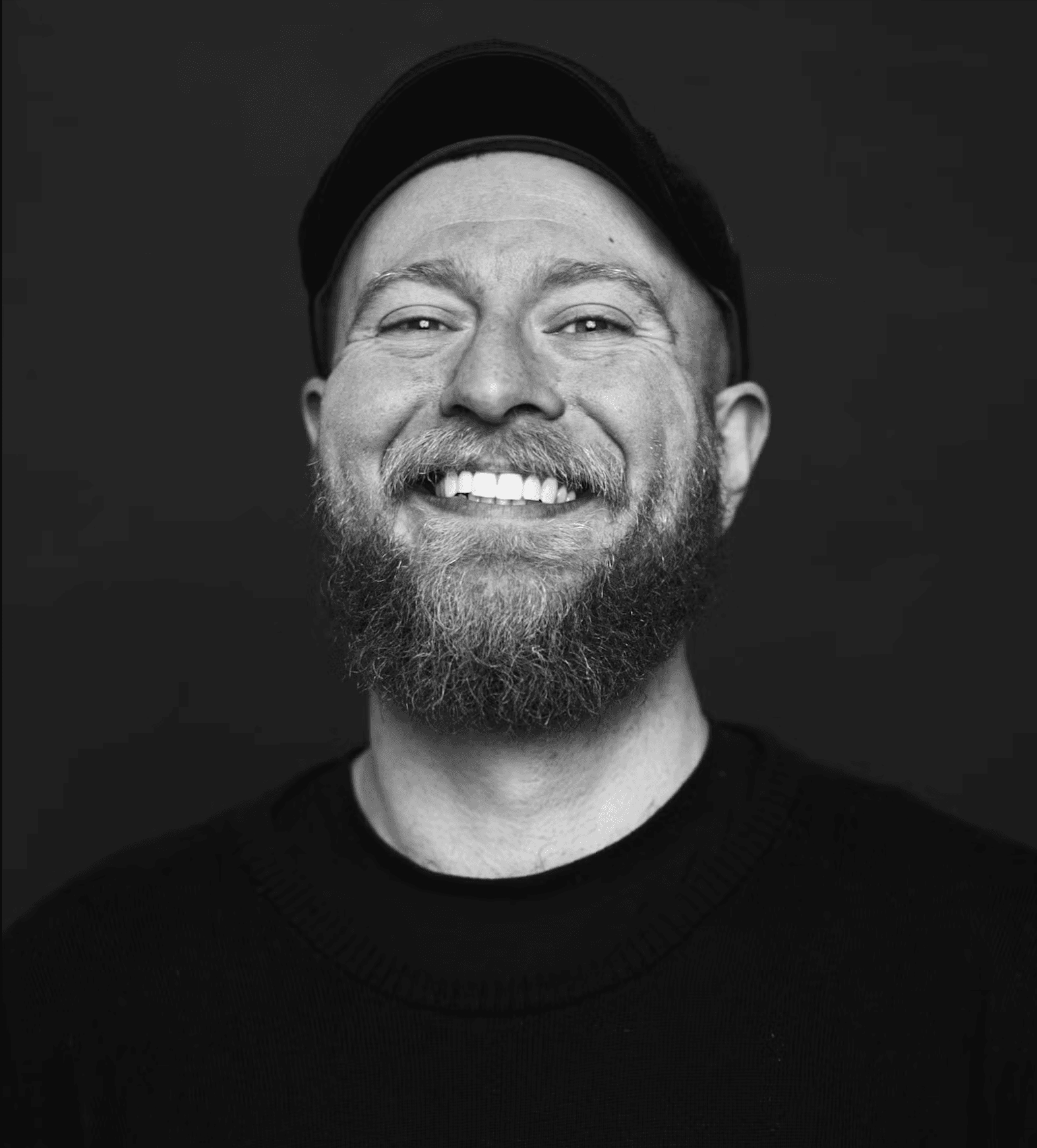
Dr. Zachary McKendrick, MFA (he/him), is a Provost’s Interdisciplinary Postdoctoral Fellow at the University of Waterloo, cross-appointed between Computer Science and Theatre & Performance. His practice-based research positions theatre and performance technique as interactive paradigms for wholistic immersive digital technologies and experiences, and is supported by an MFA in directing (University of Calgary). Zach’s multifaceted projects have been featured internationally in ACM, IEEE, and interdisciplinary arts-technology venues, and include VR-enhanced rehearsal tools, a psychophysically grounded VR Thresholding Protocol for participant state change, and interactive frameworks for social robotics and drones.
Dr. Zachary McKendrick, MFA (he/him), is a Provost’s Interdisciplinary Postdoctoral Fellow at the University of Waterloo, cross-appointed between Computer Science and Theatre & Performance. His practice-based research positions theatre and performance technique as interactive paradigms for wholistic immersive digital technologies and experiences, and is supported by an MFA in directing (University of Calgary). Zach’s multifaceted projects have been featured internationally in ACM, IEEE, and interdisciplinary arts-technology venues, and include VR-enhanced rehearsal tools, a psychophysically grounded VR Thresholding Protocol for participant state change, and interactive frameworks for social robotics and drones.
Dr. Zachary McKendrick, MFA (he/him), is a Provost’s Interdisciplinary Postdoctoral Fellow at the University of Waterloo, cross-appointed between Computer Science and Theatre & Performance. His practice-based research positions theatre and performance technique as interactive paradigms for wholistic immersive digital technologies and experiences, and is supported by an MFA in directing (University of Calgary). Zach’s multifaceted projects have been featured internationally in ACM, IEEE, and interdisciplinary arts-technology venues, and include VR-enhanced rehearsal tools, a psychophysically grounded VR Thresholding Protocol for participant state change, and interactive frameworks for social robotics and drones.
What is The Nether?
What is The Nether?
“The Nether is a play by Jennifer Haley that sits right at the uncomfortable intersection of technology, ethics, and human desire. On the surface, it’s a near-future crime story: a detective investigating a virtual world called ‘The Hideaway’, a richly built VR environment where people go to escape, to perform, to indulge, and to do harm. But the deeper truth is that the play isn’t “about VR” in a gadget-y sci-fi way. VR is just the pressure cooker. The play is really about how humans behave when they’re given a system that promises consequence-free desire. It asks what we do with anonymity, with power, with longing, and what we do when a space feels real enough that our bodies begin to respond as if it were real. At its core, the play asks a deceptively simple but deeply unsettling question: if something happens in virtual reality, does it still count as real harm?”
“The Nether is a play by Jennifer Haley that sits right at the uncomfortable intersection of technology, ethics, and human desire. On the surface, it’s a near-future crime story: a detective investigating a virtual world called ‘The Hideaway’, a richly built VR environment where people go to escape, to perform, to indulge, and to do harm. But the deeper truth is that the play isn’t “about VR” in a gadget-y sci-fi way. VR is just the pressure cooker. The play is really about how humans behave when they’re given a system that promises consequence-free desire. It asks what we do with anonymity, with power, with longing, and what we do when a space feels real enough that our bodies begin to respond as if it were real. At its core, the play asks a deceptively simple but deeply unsettling question: if something happens in virtual reality, does it still count as real harm?”
Can you tell me a bit about yourself and why you were interested in directing this show?
Can you tell me a bit about yourself and why you were interested in directing this show?
“I was drawn to directing The Nether because it speaks directly to the work I do and the questions I wrestle with every day. I’m a theatre director by training, but also a researcher working in virtual reality and human-computer interaction. I spend a lot of time thinking about embodiment, presence, consent, and what it means to “be” somewhere, especially when technology mediates that experience. So, when I first encountered The Nether, it didn’t feel like “a play about the future.” It felt like a play about now, about the systems we already inhabit, the ones that monetize attention, intimacy, identity, desire. It felt like a dramaturgical problem I couldn’t shake.”
“I was drawn to directing The Nether because it speaks directly to the work I do and the questions I wrestle with every day. I’m a theatre director by training, but also a researcher working in virtual reality and human-computer interaction. I spend a lot of time thinking about embodiment, presence, consent, and what it means to “be” somewhere, especially when technology mediates that experience. So, when I first encountered The Nether, it didn’t feel like “a play about the future.” It felt like a play about now, about the systems we already inhabit, the ones that monetize attention, intimacy, identity, desire. It felt like a dramaturgical problem I couldn’t shake.”
What are you most excited about seeing come to life through thiS process?
What are you most excited about seeing come to life through thiS process?
“I’m excited about a lot with this play, beyond getting to work with the incredible cast and creative team we’ve assembled, I’m excited about the process in general. This process lets us explore what happens when immersive technology isn’t just represented onstage, but treated as a lived, performative space. I’m excited by the challenge of staging moments across the physical, digital, and liminal simultaneously.
"I’m also excited to see how the actors inhabit, negotiate, and navigate the challenges that come with performing across mediums, let alone the play’s challenging themes. The Nether asks performers to hold contradiction: sincerity and self-protection, care and control, empathy and resistance. That kind of work lives in the body, and it’s in that embodied precision, where choices feel risky and exposed, that theatre becomes most alive; theatre is meant to be a safe space to explore dangerous things, and I believe this play is a great example of that philosophy."
"And finally, I’m excited by what happens after. This play doesn’t offer clean answers, and I don’t think it should. It is my hope that our process brings the audience to a place where they leave negotiating their own positions on technology, responsibility, and consent, and that the work has done what I believe theatre and immersive media can do at their best.”
“I’m excited about a lot with this play, beyond getting to work with the incredible cast and creative team we’ve assembled, I’m excited about the process in general. This process lets us explore what happens when immersive technology isn’t just represented onstage, but treated as a lived, performative space. I’m excited by the challenge of staging moments across the physical, digital, and liminal simultaneously.
"I’m also excited to see how the actors inhabit, negotiate, and navigate the challenges that come with performing across mediums, let alone the play’s challenging themes. The Nether asks performers to hold contradiction: sincerity and self-protection, care and control, empathy and resistance. That kind of work lives in the body, and it’s in that embodied precision, where choices feel risky and exposed, that theatre becomes most alive; theatre is meant to be a safe space to explore dangerous things, and I believe this play is a great example of that philosophy."
"And finally, I’m excited by what happens after. This play doesn’t offer clean answers, and I don’t think it should. It is my hope that our process brings the audience to a place where they leave negotiating their own positions on technology, responsibility, and consent, and that the work has done what I believe theatre and immersive media can do at their best.”
What is the most ambitious
aspect of this production to you and why?
What is the most ambitious
aspect of this production to you and why?
“The most ambitious part of this production is holding three layers of reality in the room at the same time and asking the audience to live inside the tension between them. In The Nether, those layers are very specific. There’s the physical world of the interrogation room, there’s the virtual world of the Hideaway, and then there’s the liminal space in between, which we are presenting as the VR access points, the terminals, the moments of transition where bodies cross from one reality into another. And none of these spaces can collapse into the others. The interrogation room can’t simply become a frame that explains away the virtual world. The Nether can’t function as pure fantasy or spectacle. And the liminal spaces (the “terminals”) can’t be treated as neutral passages; they’re charged thresholds where bodies cross from one mode of being into another and where intention turns into action."
"What makes this truly ambitious is that we’re not treating the virtual world as a metaphor or representation. We’re actually staging the VR scenes in VR. Using VRChat and Meta Quest 3 headsets, The Nether exists as a lived, navigable environment rather than a theatrical approximation. That choice raises the stakes for everyone involved. The virtual world can’t hide behind abstraction, and the live theatre can’t comment on it from a safe distance. All three layers must coexist and actively press against one another. And we must navigate the technical challenges of having a live VR video feed alongside the physical bodies onstage."
"From a directing perspective, this means being extremely precise about how performers move between realities, how identity, power, vulnerability, and control shift as a character passes from the interrogation room, through the terminal, and into the Nether. From an embodied-technology perspective, it also means treating the VR system itself as a performer of sorts: considering what the environment invites, what it withholds, and how it demands the body behave in certain ways."
"What excites me about this challenge is that it directly reflects the play's ethical core. The Nether refuses a clean boundary between what is “real” and what is “virtual,” and staging the VR scenes in actual VR makes that refusal unavoidable. If we do this well, the audience isn’t just watching a story about immersive technology. They’re experiencing what it’s like to navigate overlapping realities and recognizing that choices made in designed, virtual spaces (or digital spaces more broadly) still belong to us, long after they take off the headset."
“The most ambitious part of this production is holding three layers of reality in the room at the same time and asking the audience to live inside the tension between them. In The Nether, those layers are very specific. There’s the physical world of the interrogation room, there’s the virtual world of the Hideaway, and then there’s the liminal space in between, which we are presenting as the VR access points, the terminals, the moments of transition where bodies cross from one reality into another. And none of these spaces can collapse into the others. The interrogation room can’t simply become a frame that explains away the virtual world. The Nether can’t function as pure fantasy or spectacle. And the liminal spaces (the “terminals”) can’t be treated as neutral passages; they’re charged thresholds where bodies cross from one mode of being into another and where intention turns into action."
"What makes this truly ambitious is that we’re not treating the virtual world as a metaphor or representation. We’re actually staging the VR scenes in VR. Using VRChat and Meta Quest 3 headsets, The Nether exists as a lived, navigable environment rather than a theatrical approximation. That choice raises the stakes for everyone involved. The virtual world can’t hide behind abstraction, and the live theatre can’t comment on it from a safe distance. All three layers must coexist and actively press against one another. And we must navigate the technical challenges of having a live VR video feed alongside the physical bodies onstage."
"From a directing perspective, this means being extremely precise about how performers move between realities, how identity, power, vulnerability, and control shift as a character passes from the interrogation room, through the terminal, and into the Nether. From an embodied-technology perspective, it also means treating the VR system itself as a performer of sorts: considering what the environment invites, what it withholds, and how it demands the body behave in certain ways."
"What excites me about this challenge is that it directly reflects the play's ethical core. The Nether refuses a clean boundary between what is “real” and what is “virtual,” and staging the VR scenes in actual VR makes that refusal unavoidable. If we do this well, the audience isn’t just watching a story about immersive technology. They’re experiencing what it’s like to navigate overlapping realities and recognizing that choices made in designed, virtual spaces (or digital spaces more broadly) still belong to us, long after they take off the headset."
We acknowledge that this theatre and the university that holds it stand on the traditional territories of the Attawandaron (also known as the Neutral), Anishinaabeg, and Haudenosaunee peoples. Our main campus is in Block 2 of the Haldimand Tract, land promised in 1784 by the British Crown to the Haudenosaunee of the Grand River in recognition of their alliance during the American Revolution.
This territory, which includes six miles on either side of the Grand River, is governed by the Dish with One Spoon Wampum, an agreement that teaches that the land is a shared dish from which we all eat, and that we carry collective responsibilities: to take only what we need, to ensure there is enough for others, and to keep the dish clean for those who come after us. It is an agreement rooted in care, reciprocity, and stewardship.
Gathering here in this theatre, on this land, within this agreement, means recognizing that welcome comes with responsibility. It asks us to consider how we move through shared spaces, how we care for one another, and how the systems we build shape access, safety, and belonging as equal partners.
We acknowledge that this theatre and the university that holds it stand on the traditional territories of the Attawandaron (also known as the Neutral), Anishinaabeg, and Haudenosaunee peoples. Our main campus is in Block 2 of the Haldimand Tract, land promised in 1784 by the British Crown to the Haudenosaunee of the Grand River in recognition of their alliance during the American Revolution.
This territory, which includes six miles on either side of the Grand River, is governed by the Dish with One Spoon Wampum, an agreement that teaches that the land is a shared dish from which we all eat, and that we carry collective responsibilities: to take only what we need, to ensure there is enough for others, and to keep the dish clean for those who come after us. It is an agreement rooted in care, reciprocity, and stewardship.
Gathering here in this theatre, on this land, within this agreement, means recognizing that welcome comes with responsibility. It asks us to consider how we move through shared spaces, how we care for one another, and how the systems we build shape access, safety, and belonging as equal partners.