
Introduction
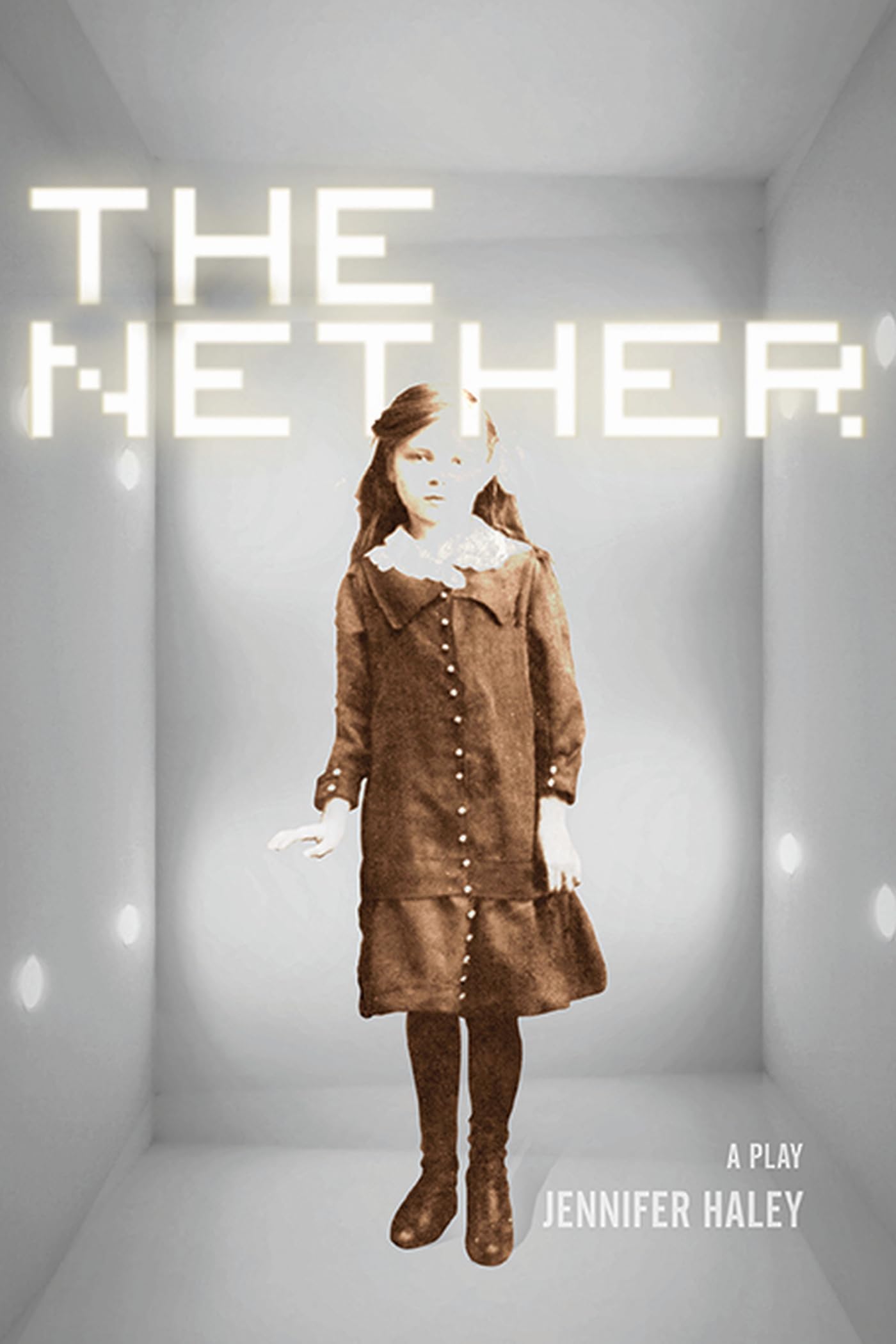
Cover art and title for Jennifer Haley's The Nether
The Analogue Era
1832
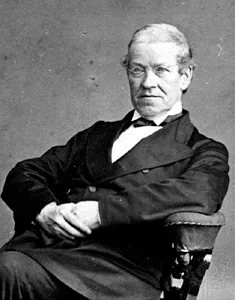
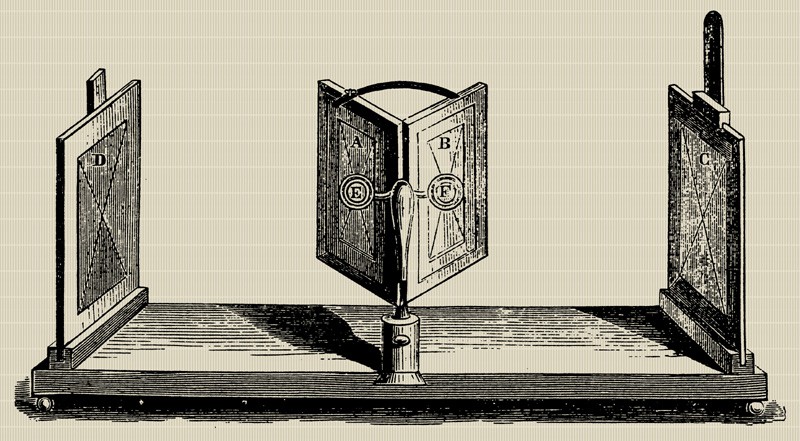
In the early 1800s, the Stereoscope is invented by Sir Charles Wheatstone and constructed by optician R. Murray. This comes out of the first realization that humans experience their sense of sight through binocular depth perception. It predates most of the technology that will later be used in tandem, such as photography. This combination of mirrors and prisms marks the start of VR’s journey.
Throughout the rest of this period, the stereoscope is modified and improved, but let’s fast forward to where things start to pick up.
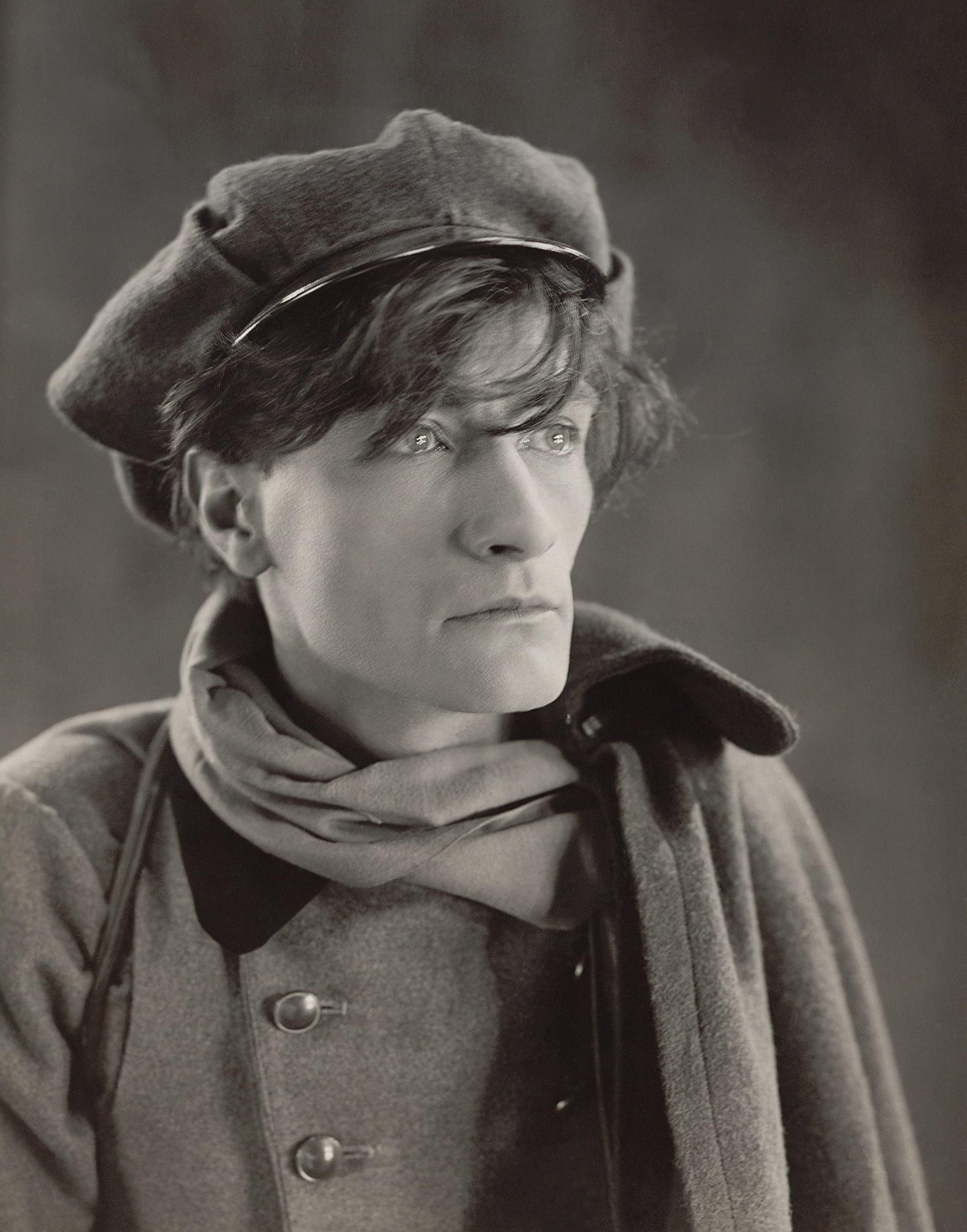
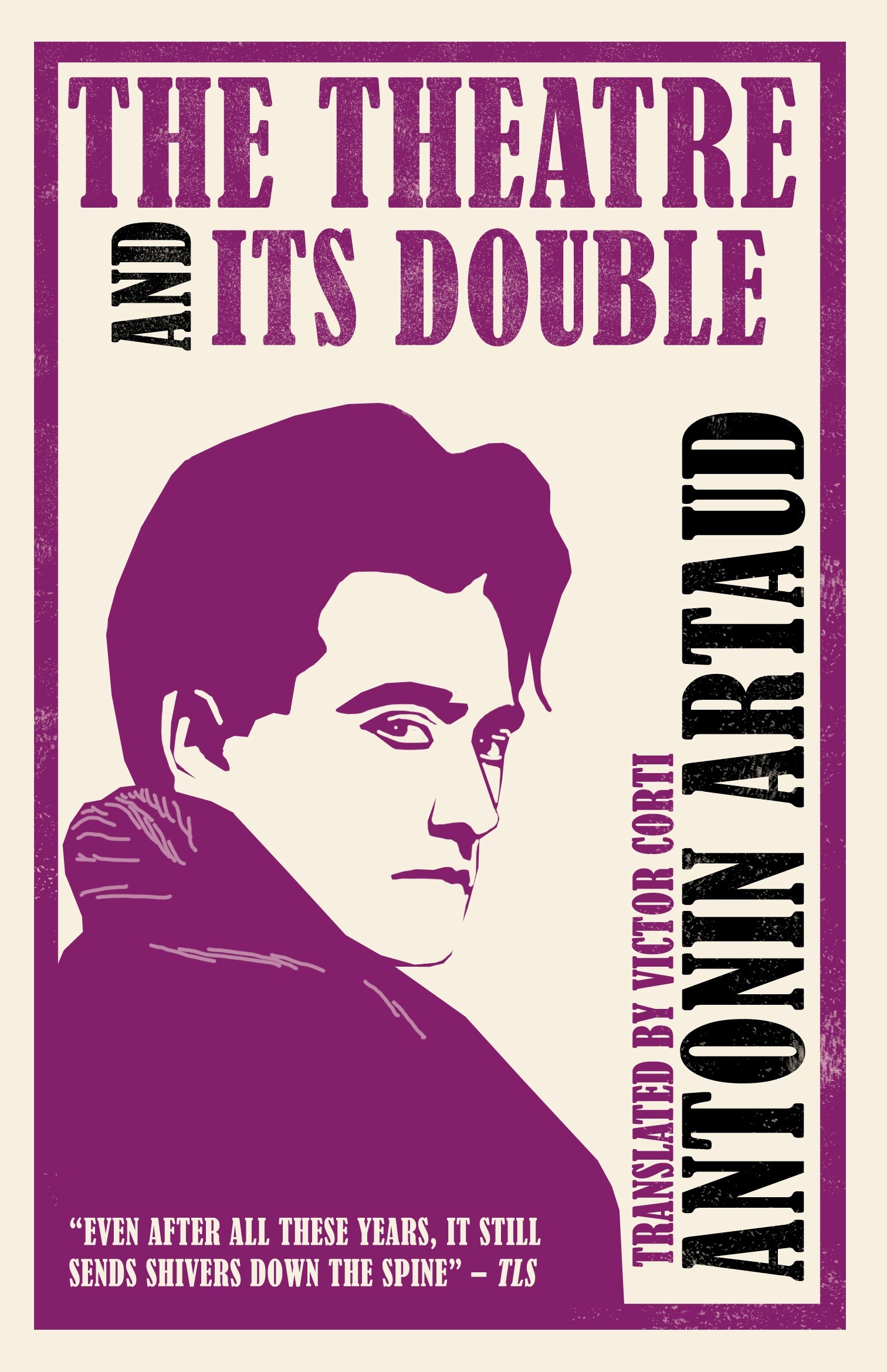
French Artist Antonin Artaud has a collection of essays titled The Theatre and Its Double published. As a part of this work, it is believed that Araud is the first to use the term Virtual Reality. At this point in time, Artaud is in a psychiatric hospital in a “near catatonic state” (Esslin, 51). Although the virtual reality that Artaud talks about is quite different from that seen in The Nether, it is still important to note that VR’s rhetorical history is based in theatre.
1938
1950
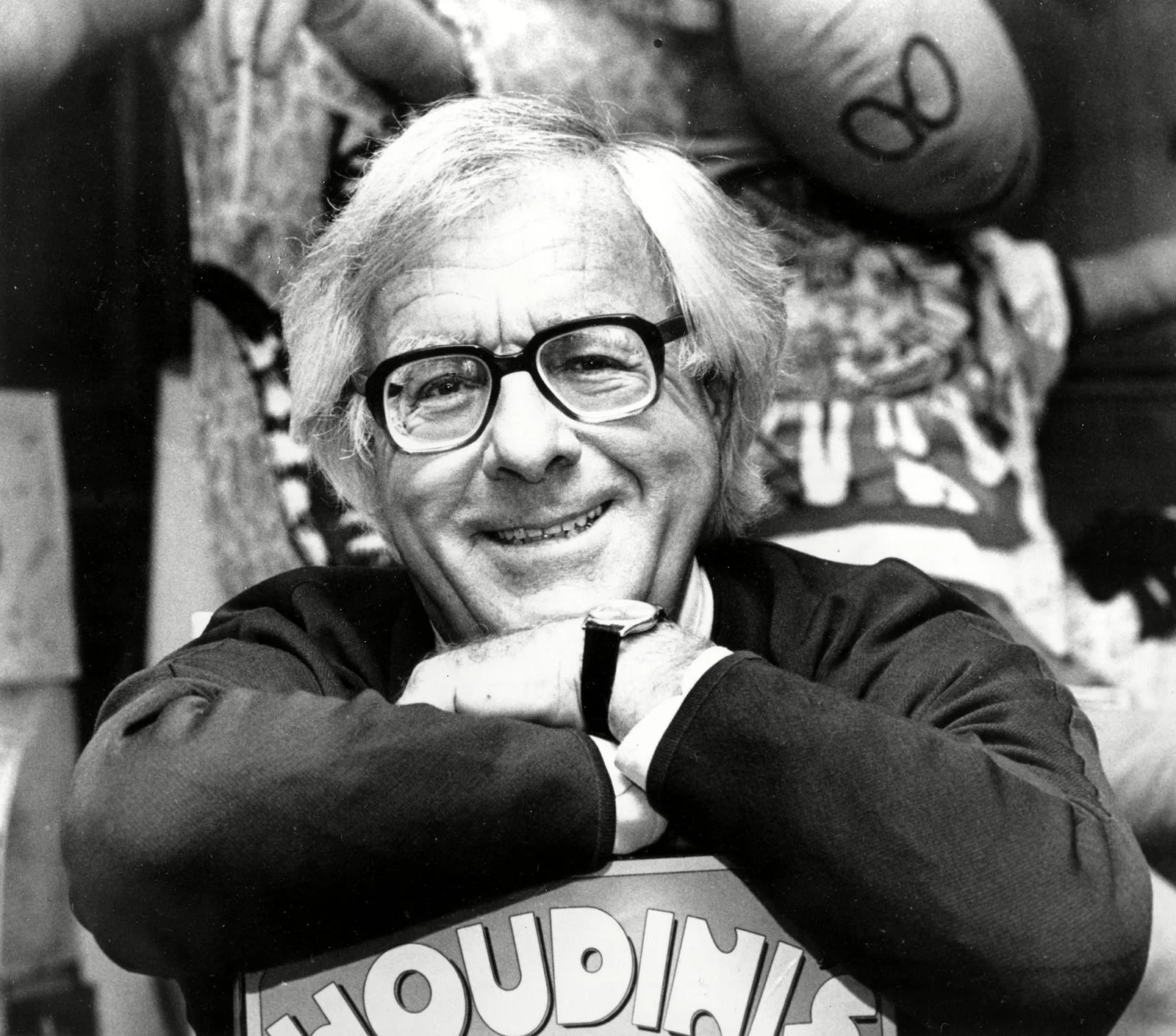
Just one example of the world of science fiction latching on to the idea of VR. Ray Bradbury writes the Veldt, and it is featured in an issue of The Saturday Evening Post. The short story follows the Hadley family in their automated house called “The Happylife Home.” The house includes a virtual reality room that can virtually reproduce any place the family desires. Bradbury is not alone in his writings around VR and is accompanied by other authors such as Laurence Manning, who wrote The Man Who Awoke in 1933. Science fiction would continue to explore VR and simulated realities through the jump into television and movies.
The Mechanical Era
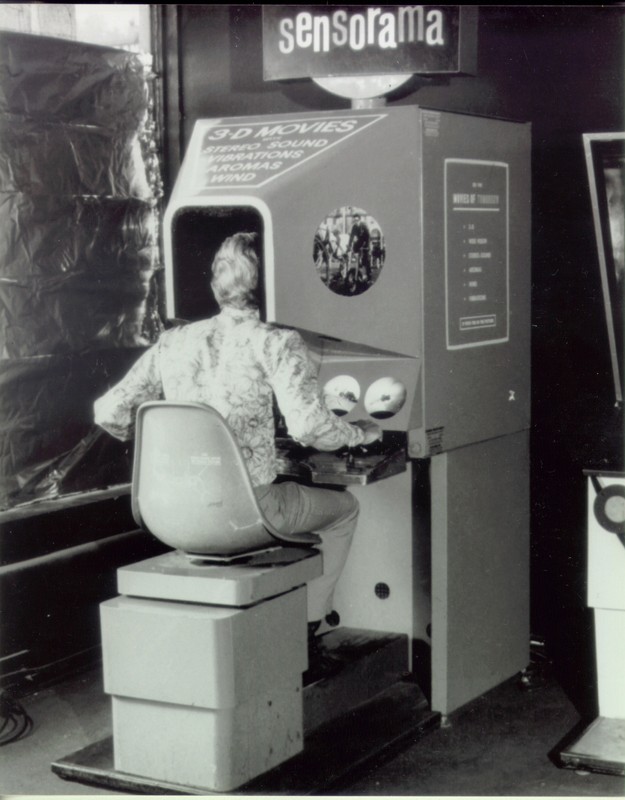
Morton Heilig introduces the Sensorama, the earliest known example of multimodal technology. The machine was fully immersive, equipped with fans that would blow air on the user, odor emitters simulating smells with chemicals, audio and video, and a motional chair. The Sensorama was designed around an experience of a motorcycle ride through the streets of New York. Unfortunately, Heilig's invention hit a wall when he was unable to acquire further backing on the project. However, it still serves as a turning point in VR technology. The video game sector was quick to pick up on the potential for experiences using immersive technology.
1962
The Digital Era
1968
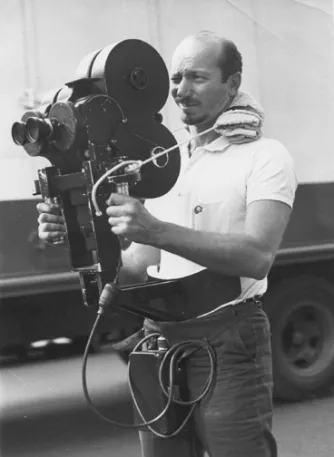
Ivan Sutherland, widely noted as a pioneer of computer graphics co-founds his company, focusing on the 3D aspect of the field. At this point, he has already been working as a professor at the University of Utah for several years. This is a good example of technology outside of VR advancing to then allow more leeway for virtual reality to follow suit. What follows is the gradual innovation around VR until it becomes what we recognize today.
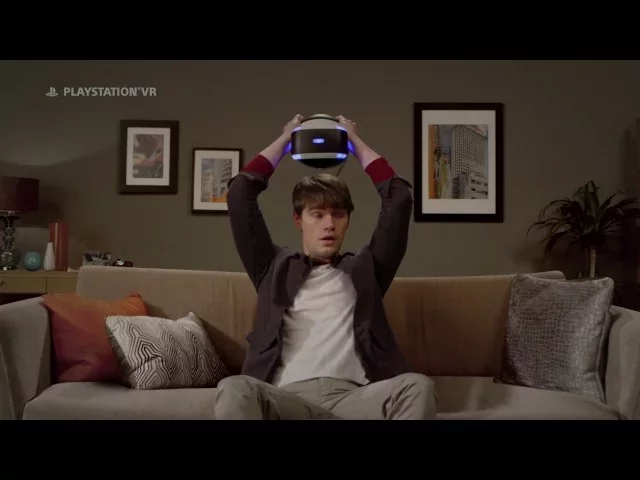
Check out this launch trailer of the Playstation VR, one of the headsets reminiscent of current tech. Note the wording in the description, “Don’t just play. Live the game.” This sentiment is seen throughout VR advertising, where the goal seems to be not just to simulate reality, but actually recreate it.
2016
The Smart Era
2025 & beyond
And that catches us up to the present day. While not every part of the vast history of VR was touched upon, the main areas, and major revelations provide a framework of understanding how the tech got from then to now. Our current tech, such as the headsets you will see in this production of the Nether are as advanced as we currently are.
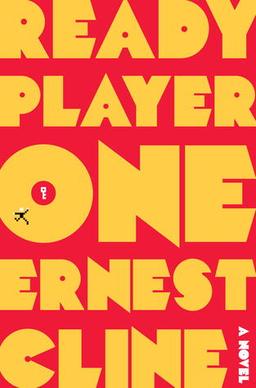
But what comes next? TV shows such as Black Mirror, and novels such as Ready Player One imagine futuristic worlds where the tech is condensed down to a small chip that you place on your temple, or a society where VR is so prominent that you go to school there!
Whatever our actual VR future entails, we can’t be quite sure, however The Nether offers one potential avenue of what that might look like.
In The Text
Jennifer Haley never explicitly mentions the hardware that is used in the Nether. Instead when the characters are interfacing with the digital world, it is referred to as logging in. This is mentioned on five occasions throughout the play.
MORRIS. You are free to contact whomever you wish, Mr. Sims. We have a terminal here if you'd care to log in.
MORRIS. We're able to track most of our users, but your identity encryption is like nothing we've ever seen. Once you log in, you disappear:
MORRIS. Would you care to log in right now and check?
MORRIS. Why don't we log in right now and contact her?
MORRIS. Come. Mr. Doyle, let's log in.
Similar to the idea presented in Ready Player One, the Nether has become a commonplace for all people. People can work and study inside the virtual realm, creating a very important question of then, what is real? One character provides a possible remark on exactly this.
SIMS. Just because it's virtual doesn't mean it: isn't real. Eighty percent of the population work in office realms, children attend school in educational realms. There's a realm for anything you want to know or do or think you might want to try. As the Nether becomes our contextual framework for being, don't you think it's a bit out of date to say it isn't real?
While you watch this play, consider this question of realness alongside the physical tech that both the actors are using in the space, and that the play is imagining into existence. There are no right answers, just many, many questions.
CITATIONS